(718) 957-8695
 CALL US NOW
 EMAIL US NOW
Bronx Trust Attorney
Helping You Plan for Tomorrow
If you own a business in New York or have others who rely on you, you may have thought about estate planning, but no single estate planning strategy works for everybody. A Bronx trust lawyer at the Law Offices of Thomas J. Lavin can help you create a trust that’s right for you.
Your specific estate plan will take into account your personal, financial, and family situation. For many, trusts offer practical, significant advantages. But others cannot benefit from a trust, so a last will and testament may be sufficient for your estate planning needs.
Whatever your circumstances are, you can find out more and receive sound estate planning advice by arranging to consult the right New York estate planning attorney.
Is a Trust Right for You?
For many, trust is the perfect tool for distributing your assets to your loved ones and avoiding the inconvenience and cost of probate. Is trust the right estate planning tool for you? If you’ll keep reading, you’ll learn why creating trust may be the answer you’re looking for.
As you may know, the probate process distributes a decedent’s assets and property when that time comes. Especially when a decedent’s estate is complex, probate is a long and costly legal process.
Probate wraps up and resolves a decedent’s financial affairs. If you pass away without a will or a trust, probate gathers and identifies all of your assets, pays outstanding debts and taxes, and divides and distributes what is left to your beneficiaries.
Why Consider a Trust?
A trust lets you avoid probate, but many people do not need trust. A last will and testament, often paired with a personal property memorandum, are often sufficient for many people’s purposes. To determine whether you need to establish a trust, think about these factors and bring them up to your Bronx trust estate lawyers:
- If you’re healthy and young, establishing a last will and testament is faster, less expensive, easier to change, and for many people in New York, sufficient for their needs.
- The more you have, the more your beneficiaries could lose in the probate process. Particularly if your estate is complicated or extensive, consider a trust – regardless of your age.
- If you and your marital partner are planning to leave your property and assets to each other, and if most of your assets are jointly owned, you probably do not need to create a trust.
How Does a Trust Work?
When you set up a trust, your assets may be transferred into the trust during your lifetime and distributed to your chosen beneficiaries when that time comes by someone you designate as a trustee. Your trustee will have duties comparable to the obligations of a will’s executor.
Why do people choose trusts over wills? Will go through probate, while trusts do not. A trust may cost more to set up, but over time, a trust is usually less costly than a will. And trusts offer more privacy than wills because probate hearings are part of the public record.
Establishing a trust provides greater control over how and when your estate assets are distributed, allowing you to set specific terms and conditions for your beneficiaries. This control can be particularly important for protecting minor children, family members with special needs, or beneficiaries who may not be financially responsible.
Additionally, trusts can be tailored to help minimize estate taxes and protect assets from creditors, enhancing your overall estate planning strategy.
Trusts also play a vital role in the estate administration process by simplifying the management and distribution of your assets after your passing.
Unlike the probate process, which can be lengthy and complex, trusts allow for a smoother transition, often avoiding court delays and reducing legal fees. This efficient management benefits your loved ones by providing quicker access to their inheritance and reducing potential conflicts.
When setting up a trust, it’s essential to work with experienced estate planning attorneys who understand New York law and can guide you through the complex process. They can help you decide whether a revocable trust or irrevocable trust best suits your needs, assist in drafting the necessary documents, and ensure your trust is properly funded with the appropriate assets.
What Are the Other Reasons to Avoid Probate?
Probate is costly. It holds up the transfer of your property and assets to your family members and other loved ones. A trust is not probated, so the transfer of your property and assets can usually be accomplished only weeks after you pass away.
Your trustee pays your outstanding taxes and debts and then transfers what remains according to your instructions as spelled out by the trust document. Probate can sometimes eat up ten percent of an estate, so avoiding probate genuinely helps your beneficiaries.
Beyond the financial benefits, avoiding probate also helps maintain privacy. Probate court proceedings are public, meaning details about your estate, assets held, and beneficiaries can become accessible to anyone. A trust keeps this information confidential, protecting your family’s privacy.
Additionally, trusts can assist with Medicaid planning and help protect assets from being depleted by long-term care costs. This is particularly important for elder law considerations, where preserving assets for your loved ones is a primary concern.
Furthermore, trusts facilitate the trust administration process by providing clear instructions and legal authority to your trustee, reducing the likelihood of disputes and litigation among beneficiaries. This ensures that the entire process is handled smoothly and in the best interests of all parties involved.
In summary, trusts offer a comprehensive solution for estate planning needs in New York City, providing greater control, privacy, and efficiency compared to wills alone. Consulting with a knowledgeable trust lawyer NYC can help you navigate these options and create a plan that protects your assets and secures your family’s future.
What Are the Other Reasons to Create a Trust?
Additionally, if you are a parent, a trust lets you designate a guardian for your minor child or children if you should pass away unexpectedly before your child or children reach the age of 18.
To set up a trust costs more – at first – than drafting a will. Trusts are complicated, detailed documents, and drafting a trust document is only the beginning of what a trust requires. You’ll have to move assets to the trust in several steps, and there’s plenty of red tape and paperwork.
A trust allows your trustee to take charge if you become incapacitated. If that happens and your only estate planning document is a will, a court may assign someone to handle your affairs, and the court will have to approve debt payments, property sales, or any other financial activity.
Moreover, trusts provide a level of asset protection that wills cannot offer. By placing assets within a trust, you can shield them from creditors and legal claims, which is particularly important for individuals concerned about potential lawsuits or financial risks.
Trusts also play a crucial role in business succession planning. If you own a business, a trust can help ensure a smooth transition of ownership and management to your chosen successors, avoiding disruptions and maintaining the continuity of your enterprise.
Another benefit is the ability to include specific instructions on how and when your beneficiaries receive their inheritance. This is especially useful if you want to provide for beneficiaries over time or under certain conditions, such as reaching a certain age or achieving particular milestones.
Additionally, trusts can be structured to support charitable giving through instruments like charitable remainder trusts or other charitable trusts, allowing you to leave a lasting legacy while potentially gaining tax advantages.
Finally, trusts help maintain privacy by keeping your estate matters out of the public probate court records. This confidentiality can protect your family’s personal and financial information from public exposure.
In summary, while trusts require more effort and initial cost than wills, their benefits in control, protection, and flexibility make them a valuable tool in comprehensive estate planning.
How Do “Revocable” and “Irrevocable” Trusts Differ?
However, if you’ve established a trust, your own trustee can manage your affairs without a court’s interference. You may establish a “revocable” trust or an “irrevocable” trust.
With a revocable trust, you transfer assets to the ownership of the trust, you retain control of those assets, and you can amend or dissolve the trust at any time. Assets transfer quickly to your chosen beneficiaries after your death.
Irrevocable trusts help you to give away assets while you’re still alive so that those assets aren’t subject to estate taxes. A New York estate planning lawyer will recommend creating an irrevocable trust if that is what’s right for you.
Should You Do It Yourself?
Why consult an estate planning lawyer when blank forms for creating a trust can be easily downloaded? Because creating a trust is risky, and you can’t afford a mistake. The right estate planning lawyer will offer insights and advice that you might not have otherwise considered.
Too many of us wait until we’re forced by circumstances to develop an estate plan, but hasty estate planning can sometimes be disastrous. Let an attorney at the Law Offices of Thomas J. Lavin help you with estate planning – beginning now.
Creating a trust involves more than just filling out a form. It requires a clear understanding of your unique financial situation, family dynamics, and long-term goals. An experienced estate attorney can guide you through the estate planning process, ensuring that your trust is properly drafted, funded, and aligned with your wishes.
How Could Bronx Trust Estate Lawyers Help You?
Moreover, legal counsel can help you navigate complex issues such as minimizing estate taxes, protecting assets from creditors, and planning for incapacity through necessary documents like a power of attorney and health care proxy. These elements are critical in protecting your loved one’s estate and ensuring a smooth trust administration process.
Attempting to create a trust without professional guidance can lead to costly errors, unintended tax consequences, or disputes among beneficiaries. Proper planning with an experienced attorney not only safeguards your assets but also provides peace of mind that your estate will be managed and distributed according to your desires.
At the Law Offices of Thomas J. Lavin, we listen carefully to your needs and craft personalized estate planning solutions tailored to your life and family. Our firm is dedicated to providing excellent service and ensuring that every client feels confident and properly set for the future.
Call Our Trust Lawyer Bronx Learn More
You’ve just read a general, brief introduction to trusts, but now you will need personalized guidance and advice. To learn more, call the Law Offices of Thomas J. Lavin at 718-306-9162, or use the contact form here on our website to arrange a meeting with a Bronx trust lawyer.
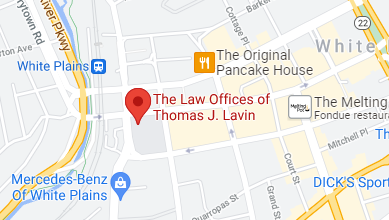
Your first consultation with us is provided at no cost and without obligation. The Law Offices of Thomas J. Lavin has two convenient locations in the Bronx – at 2980 Bruckner Boulevard and at 3561 East Tremont Avenue. It costs nothing to learn more about your estate planning options.

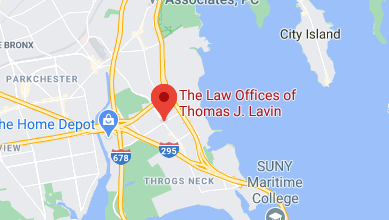
 3559 E Tremont Ave,
 (718) 957-8695