(718) 957-8695
 CALL US NOW
 EMAIL US NOW

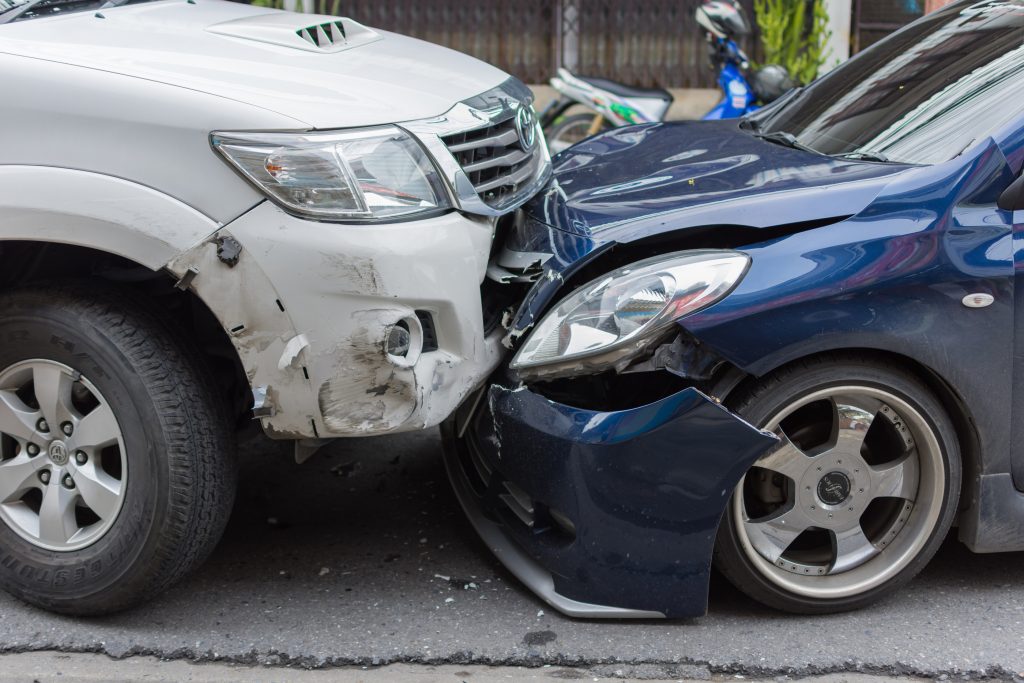
More than 250,000 traffic accidents are reported every year in the state of New York. That’s more than 680 accidents every day. The New York State Department of Health estimates that these traffic crashes result in more than 136,000 emergency room visits every year in this state.
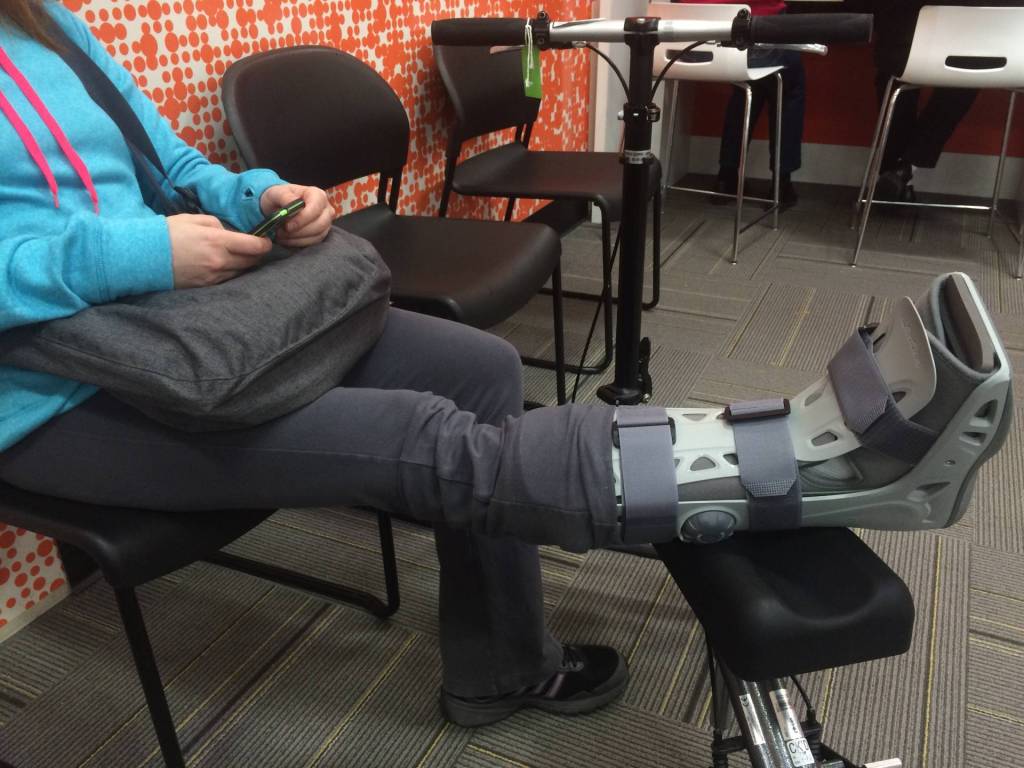
New York’s personal injury attorneys represent the injured victims of negligent drivers, and they work to obtain monetary compensation for those victims. A Bronx car accident attorney can offer you advice about what steps to take if you are injured in a traffic crash that is the other driver’s fault.
WHAT ARE THE FIRST STEPS TO TAKE AFTER ANY TRAFFIC ACCIDENT?
Understand that even if you are momentarily distracted and you cause an accident, it is not the end of the world. If you will take the steps outlined below, you’ll be able to limit some of your expenses and some of the stress that go along with being an at-fault driver.
In the state of New York, the first steps you must take after a traffic collision are seeking medical attention and reporting the accident. Seeking medical attention is imperative. Reporting an accident is the law.
If anyone in the accident suffered $1,001 or more in property damage, all drivers must file a Report of Motor Vehicle Accident form with the New York State Department of Motor Vehicles within ten days of the accident. Failure to file the form can result in a driver’s license suspension.
If the accident injured or killed anyone, you must immediately notify the police, and an accident report must be filed with the Department of Motor Vehicles. Leaving the scene of an accident that causes personal injury or death is a Class E felony punishable with fines and/or jail time.
WHAT AUTO INSURANCE COVERAGE IS REQUIRED IN NEW YORK?
New York requires drivers to have auto insurance coverage with the following minimum limits:
1. Liability coverage of $25,000 for bodily injury to one person in an accident
2. Liability coverage of $50,000 for bodily injury to multiple persons in an accident
3. Damage to another party’s property: $10,000
4. Personal injury protection (PIP coverage): $50,000
New York is a “no-fault” auto insurance state, so your medical costs and lost wages will be covered by your no-fault personal injury protection insurance, no matter how the accident happened or who was at-fault.
HOW DOES PIP INSURANCE COVERAGE WORK?
With $50,000 of PIP coverage, most persons who are injured will be able to get the medical treatment they need. You must report the accident to your insurance company and submit the appropriate claim forms within thirty days of the accident.
If you are at-fault for an accident and your medical costs exceed the limits of the PIP coverage, any health insurance that you carry will pay for the additional costs. The same rule applies to anyone who may be injured by your negligence.
An injury victim may bring a personal injury claim directly against an at-fault driver in New York only under very narrow circumstances, so most at-fault drivers in New York will not be targeted with a personal injury lawsuit.
WHAT CAN HAPPEN IF YOU ARE AT-FAULT FOR INJURING SOMEONE?
Nevertheless, if someone in another vehicle is injured, that person may seek compensation from you. If that happens, your auto insurance company will negotiate a settlement of the claim, and if no settlement is reached, the insurance company’s lawyers will represent you in court.
If another person’s personal injury claim against you prevails, you may be looking at higher auto insurance rates in the future. If it’s possible for you, consider purchasing additional auto insurance beyond the minimum requirements.
Otherwise, you will have to pay – “out of pocket” – any judgment against you that surpasses $25,000. However, and luckily for most New York motorists, such a situation is extremely rare in this state.
When another driver is entirely at-fault for an accident and for injuring you, that driver’s auto insurance will compensate you for medical expenses, lost wages, and other losses. But what happens if you were at-fault, even partially, for a traffic crash with injuries?
WHAT IS THE PURE COMPARATIVE FAULT RULE?
When both drivers share blame for a collision, New York uses the “pure comparative fault” rule. Here is how it works. In most personal injury trials arising from traffic accident cases, jurors will determine:
1. the total dollar amount of the damages that will be awarded to the plaintiff
2. the percentage of fault that belongs to each party
Under the pure comparative fault rule, the plaintiff’s damage award is reduced by the percentage of his or her fault for the accident.
For example, suppose that a jury determines that your damages (including medical bills, lost wages, property damage, and pain and suffering) total $100,000, but jurors also determine that you are forty percent at-fault for the collision. In New York, you’ll get sixty percent, or $60,000.
WERE YOU MORE THAN FIFTY PERCENT AT-FAULT FOR AN ACCIDENT?
And even if you were sixty percent at-fault, you would still be awarded $40,000. Unlike most states, New York allows injury victims to recover damages even if their share of fault for an accident exceeds fifty percent.
Even if a jury determines that you are ninety-nine percent at-fault for an accident in New York, you are still technically entitled to one percent of your total damages – but you’ll still be responsible for ninety-nine percent of the other motorist’s damages.
If you are in a traffic crash that triggers a personal injury trial, New York’s judges and juries will be bound by the pure comparative negligence rule. The rule also guides auto insurance claims adjusters in New York.
HOW CAN A PERSONAL INJURY LAW FIRM IN NYC HELP?
After any accident with injuries in New York, the smartest step that you can take is to speak at once with an experienced Bronx personal injury attorney.
You will learn where you stand legally, what your rights and options are, and how personal injury law and New York’s pure comparative fault rule will apply to your own case.
If you are hurt in a traffic crash, whether or not you were the driver at-fault, seek an attorney’s advice at once. That is your right.

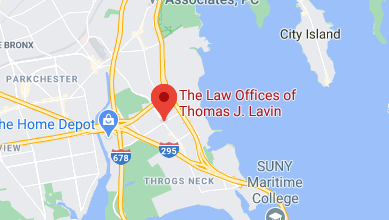
 3559 E Tremont Ave,
 (718) 957-8695
 contact@lawlavin.com